The reality of India has remained the same for over 75 years despite changes in the administration at the top or bottom level. The ever growing population of India has largely been left uneducated and hard to include in the society mainstream by politicians for their vote bank politics. Though we don’t see much difference in major cities regarding division over caste or religion, it exists in smaller cities, towns, and villages. The story of Homebound happens to touch the reality of the forgotten India and its citizens who fail trying to match up with the tantrums of the rotten corruption in local, state, and national level administration.
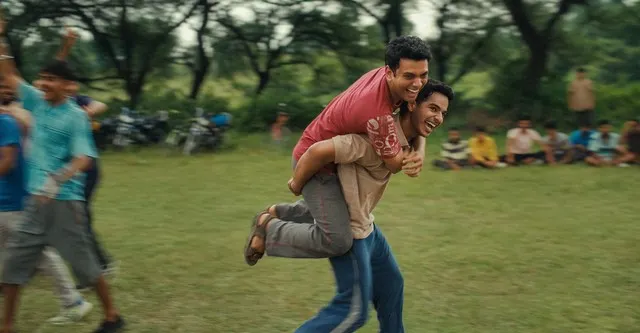
Ishaan Khatter playing the role of Mohammad Shoaib highlights the persistent resentment that forced him to quit a paying job and take up the role of a mill worker that the government then sabotages with its mismanagement of lockdown during COVID era. Vishal Jethwa playing the role of Chandan Kumar highlights the side of the deeply rooted casteism that continues to plague the country. The story of these two friends takes a turn when they decide to head home to unite with their families during the draconian lockdown that the Indian government levied on its citizens without accounting for the plight of the poor.
The story does end on a note that highlights another reality of the reservation system in India. Chandan Kumar after his death did get into the police service through a scheduled caste quota which he tried to hide in the beginning. The climax scene where Shoaib receives his friend’s appointment letter after his funeral does highlight the irony of this existing reservation system in India. If “12th Fail” had hit your mental chords right, this movie will allow you to see the other side where people’s failure or success hardly matters in a country like India.
This reality was first published in the New York Times article by Basharat Peer as an essay “Taking Amrit Home” (retitled as “A Friendship, a Pandemic and a Death Beside the Highway”) in 2020. Director Neeraj Ghaywan (from Masaan (2015) fame) took the story and turned it into a movie that hits the right chord. His direction keeps the scene’s duration in check and in tight grip. The tonality of the storytelling doesn’t change drastically like Anubhav Sinha’s “Bheed (or Crowd)” which keeps it alive till the very end. All actors performed extremely well but the credit does go to the director Neeraj Ghaywan to keep scene sequences in check.
Leave a Reply